Why Ukraine’s proposed “suspension” of its Mine Ban Treaty obligations is deeply problematic

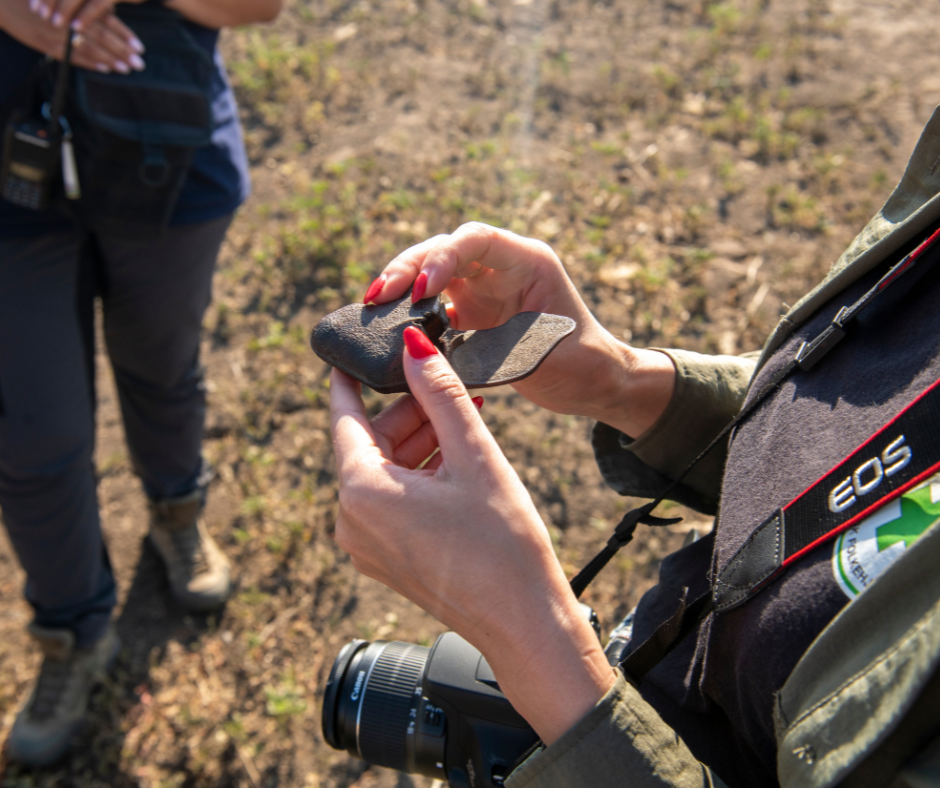
The International Campaign to Ban Landmines (ICBL) worked with Human Rights Watch and the International Human Rights Clinic at Harvard Law School to examine Ukraine’s move to “suspend” its obligations under the Mine Ban Treaty. The result of this collaboration is the paper “Challenging Ukraine’s Mine Ban Treaty ‘Suspension” (Sept 2025), which sets out both the legal and humanitarian risks of allowing a State Party to pause its commitments during an armed conflict.
Background: What Ukraine Has Proposed
- On 18 July 2025, Ukraine formally notified the UN that it intended to “suspend” its obligations under the 1997 Mine Ban Treaty, citing the extraordinary pressures of its ongoing war with Russia.
- Ukraine’s move would allow the suspension to last “until the end of the war” and sets criteria for when it could resume compliance.
Why the Suspension is Unlawful:
- The Mine Ban Treaty does not permit suspensions. While the Mine Ban Treaty is silent on the issue of suspensions, its provisions as well as its object and purpose, make it clear that a State Party cannot suspend its obligations during armed conflict. Article 1 explicitly bans use, production, stockpiling, and transfer of antipersonnel mines under any circumstances, including in armed conflict. Withdrawals are explicitly prohibited while a State Party is engaged in armed conflict. The preamble bases the treaty “on the principle of international humanitarian law that the right of the parties to an armed conflict to choose methods or means of warfare is not unlimited.”
- Under the Vienna Convention, a country can’t use the “fundamental change of circumstances” argument during war. Ukraine relies on Article 62 of the Vienna Convention on the Law of Treaties, claiming that the invasion changed the conditions under which it joined the treaty. But the Vienna Convention disallows invoking the “fundamental change of circumstances” argument if there is “an outbreak of hostilities.” The change of circumstances must also be one that “was not foreseen” by the negotiating parties. While Ukraine may not have foreseen a conflict of the scale it is engaged in now, the risk of future armed conflict was unquestionably anticipated by negotiators because ending the use of antipersonnel mines in future conflicts was at the core of the treaty.
What’s at stake:
- Humanitarian risk: If Ukraine begins using or stockpiling antipersonnel mines again, it endangers civilians now and leaves a lasting, costly legacy of mine contamination that survivors and communities will have to deal with for decades.
- Dangerous precedent: Allowing a State Party to suspend its treaty obligations during an armed conflict goes against the object and purpose of the convention and sets a precedent that could be followed by other states, fundamentally weakening the ban.
Erosion of international law: Treaties like the Mine Ban Treaty and principles of humanitarian law exist especially to protect civilians during war. Permitting suspensions during conflict undermines their core purpose and could be used by countries to avoid their legal obligations when they are most needed.
ICBL urges States Parties to:
- Individually or collectively submit formal objections to Ukraine’s suspension to the Mine Ban Treaty, in accordance with Article 65(2) of the Vienna Convention on the Law of Treaties, by the deadline of 17 October 2025.
- Call on Ukraine to immediately retract its decision to suspend its treaty obligations.
- Work towards the adoption—at the 22nd Meeting of States Parties in December this year —of a formal clarification by States Parties that suspension of obligations under the Mine Ban Convention is not permissible.
- Publicly object to Ukraine’s suspension, both in UN forums and in Mine Ban Treaty meetings.