Reflecting on 16 Years of the Convention on Cluster Munitions

Today, 30 May 2024, marks 16 years since the Convention on Cluster Munitions (CCM) was adopted in Dublin, Ireland. This treaty created "to put an end for all time to the suffering and casualties caused by cluster munitions" exemplifies the advances in humanitarian disarmament achieved through a partnership between states, international organizations, and civil society.
At a time when the use of cluster munitions is on the rise and the norm is being challenged on other fronts, it is worth recalling why they were banned and should now be shunned by all states. With this in mind, the Cluster Munition Coalition (CMC) is calling for renewed global attention to the impact of cluster munitions on civilians and the critical importance of this convention in reducing such unacceptable and avoidable harm.
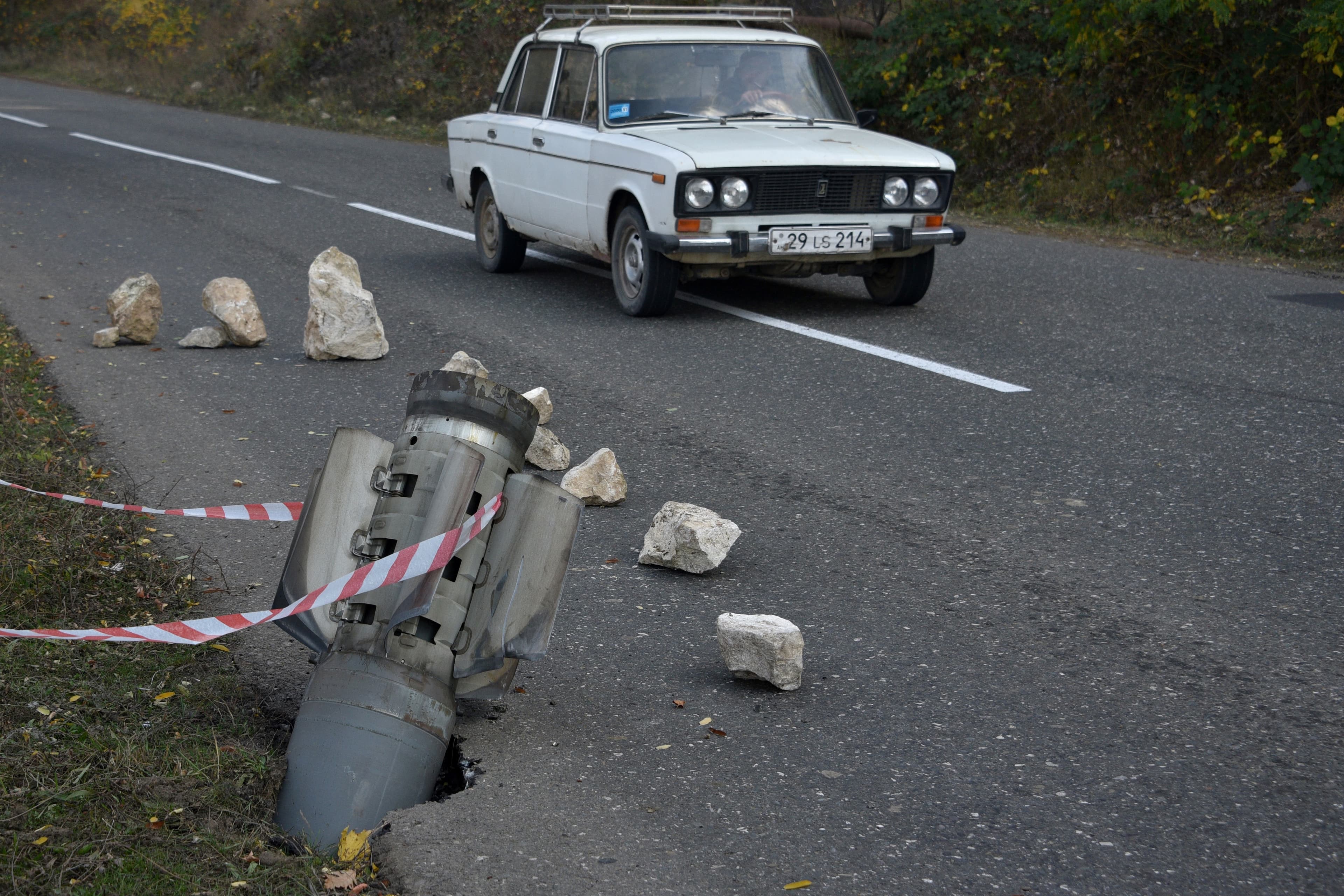
Cluster munitions were banned due to their inherently indiscriminate nature: their wide area effect precludes a distinction between military and civilian targets, and the high rate of unexploded submunitions they leave behind act like landmines, posing lethal risks to civilians, especially children, years after conflicts end. Indeed, according to the Cluster Munition Monitor, in 2022, 95% of cluster munition casualties recorded by the Monitor were civilians, and over 70% of those were children. In Ukraine in particular, the devastating effects of cluster munitions have been evident in the ongoing war. For instance, one of the single deadliest incidents for civilians was the Russian cluster munition attack on the crowded Kramatorsk train station on 8 April 2022, which killed at least 58 people and injured more than 100 civilians. More recently, Human Rights Watch reported another cluster munition attack by Russia on Odesa, Ukraine, killing seven civilians, including a 4-year-old child, and injuring 28 more.
Since its adoption, significant progress has been made: 124 countries have joined the Convention (112 States Parties and 12 signatories), creating a robust international stigma against these weapons. In addition, vast contaminated areas have been cleared, victims’ rights are being recognized, and all States Parties have destroyed their stockpiles – a major step towards creating a world free of cluster munitions. However, the Convention still faces many challenges, including ongoing or recent cluster munition use by Russia, Ukraine, Myanmar and Syria. Facilitation of use in Ukraine via ongoing transfers of cluster munitions from the US to Ukraine highlights the need for all States Parties to reinforce the ban by condemning such practices.
On this anniversary, the Cluster Munition Coalition calls on all states and other stakeholders to redouble their efforts to rid the world of cluster munitions once and for all.
We call on all states outside the convention to renounce this weapon and join the Convention without delay. And we ask all States Parties to stand strong and united to protect the Convention and its norms, ensuring the protection of civilians from this indiscriminate, prohibited, and insidious weapon.